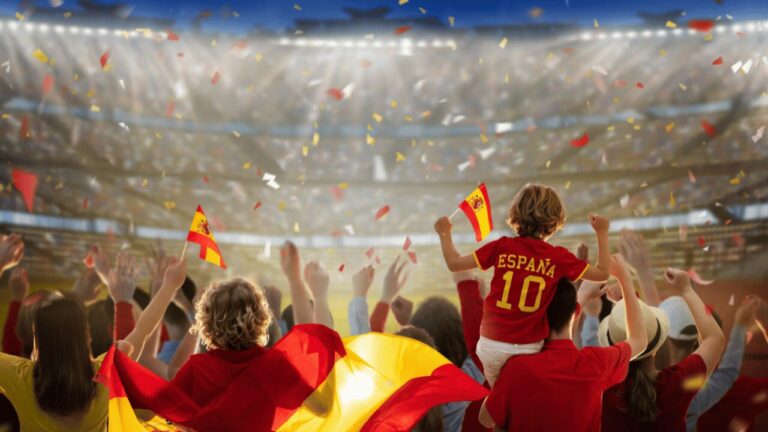
Sports represent structured competitive physical activities that address fundamental human needs for play, physical exertion, and rivalry. The competitive element serves as the primary distinguishing factor separating sports from recreational activities or entertainment forms. This competitive framework creates valuable developmental opportunities, where victory can strengthen self-confidence and defeat can build psychological resilience. Research demonstrates that sports participation promotes essential social values including fair play, teamwork, collective experiences, and community bonds.
Analysis of competitive sports examples reveals distinct categories based on participation structure, skill requirements, and environmental factors. Individual sports like tennis and golf emphasize personal accountability and self-reliance, while team sports such as basketball and soccer develop collaborative skills and strategic thinking. Contact sports including football and hockey build physical toughness and tactical awareness, whereas precision sports like archery and gymnastics require technical mastery and mental focus. Each category offers unique benefits for physical development, cognitive growth, and social interaction, making sports participation valuable across diverse populations and age groups.
Examples of Sports
This comprehensive collection presents competitive sports examples spanning traditional athletics, modern recreational activities, and emerging disciplines. The table organizes ninety different sports across diverse categories, from mainstream American favorites like football and basketball to specialized activities such as logrolling and dragon boat racing. These competitive sports examples demonstrate the vast scope of organized athletic competition, including team-based games, individual challenges, water sports, winter activities, and combat disciplines. Each entry represents a recognized competitive format with established rules, governing bodies, and competitive structures that define modern sporting culture.
| American Football | Archery |
| Arm Wrestling | Auto Racing |
| BMX | Badminton |
| Baseball | Basketball |
| Bobsledding | Bodyboarding |
| Bowling | Boxing |
| Canoeing | Capture the Flag |
| Competitive Dancing | Cricket |
| Cross-country Skiing | Curling |
| Cycling | Diving |
| Dodgeball | Dragon Boat Racing |
| Electronic Sports | Esports |
| Field Hockey | Figure Skating |
| Fishing | Footbag (Hacky Sack) |
| Football (Soccer) | Frisbee |
| Gliding | Golf |
| Gymnastics | Hang Gliding |
| Hide and Seek | Hiking |
| Horse Racing | Ice Fishing |
| Ice Hockey | Inline Skating |
| Kayaking | Keep Away |
| Lacrosse | Logrolling |
| Luge | Martial Arts |
| Miniature Golf | Mountaineering |
| Outrigger Canoeing | Paragliding |
| Parkour | Pickleball |
| Polo | Racquetball |
| Rafting | Ringette |
| Rock Climbing | Roller Derby |
| Roller Skating | Rowing |
| Rugby | Running |
| Sailing | Skateboarding |
| Skydiving | Snorkelling |
| Snowboarding | Snowshoeing |
| Squash | Street Hockey |
| Sumo | Surfing |
| Swimming | Table Tennis |
| Tag | Tennis |
| Tobogganing | Track & Field |
| Trampolining | Triathlon |
| Ultimate Frisbee | Unicycling |
| Volleyball | Wakesurfing |
| Walking | Water Polo |
| Weightlifting | Windsurfing |
| Wood Chopping | Wrestling |
Team Sports
Team sports represent organized competitive activities where groups of athletes work together against opposing teams. These structured competitions typically involve athletes representing geographic regions, educational institutions, or professional organizations. The collaborative nature of team-based competition fosters strong community bonds and shared identity among participants and supporters. Popular competitive sports examples include basketball, soccer, football, and hockey, each requiring coordinated teamwork and strategic planning to achieve success.
Individual Sports
Individual sports are solo athletic competitions where athletes compete independently, relying on personal skill development and mental fortitude. Competitive sports examples include tennis, golf, swimming, track and field, boxing, and gymnastics, each requiring dedicated training and self-discipline.
Water Sports
Water sports encompass athletic activities conducted across diverse aquatic venues including oceans, lakes, rivers, swimming pools, and various other water-based recreational environments worldwide.
Winter Sports
Winter sports require cold climates and typically use snow or ice as primary playing surfaces, making them seasonal activities dependent on weather conditions and geographic location.
Adventure Sports
Adventure sports focus on exploration and controlled risk management in challenging environments. These activities typically take place in natural settings like mountain ranges, ocean coastlines, and wilderness areas. Modern variations have expanded to include urban environments, with disciplines such as parkour transforming cityscapes into training grounds. Participants develop technical skills, physical conditioning, and mental resilience while engaging with diverse terrains and environmental conditions.
Spectator Sports
Professional and amateur sporting events consistently draw millions of viewers worldwide, serving as both significant cultural phenomena and lucrative entertainment industries that generate substantial economic impact.
Notes
- Sports activities can be pursued for personal satisfaction and recreational purposes rather than competitive achievement, with participants focusing on enjoyment and physical wellness.
- The systematic approach to skill development, performance analysis, and outcome evaluation found in athletic training provides valuable frameworks that professionals can adapt for career advancement, academic study, and personal growth initiatives.

John Coleman is a seasoned sports writer and analyst with over seven years of experience covering American and European sports. His expertise encompasses football, baseball, basketball, and MMA. Known for his insightful analysis and historical perspective, John crafts compelling narratives, in-depth match analyses, and offers unique behind-the-scenes perspectives that connect with both fans and athletes.