Sports and Recreation
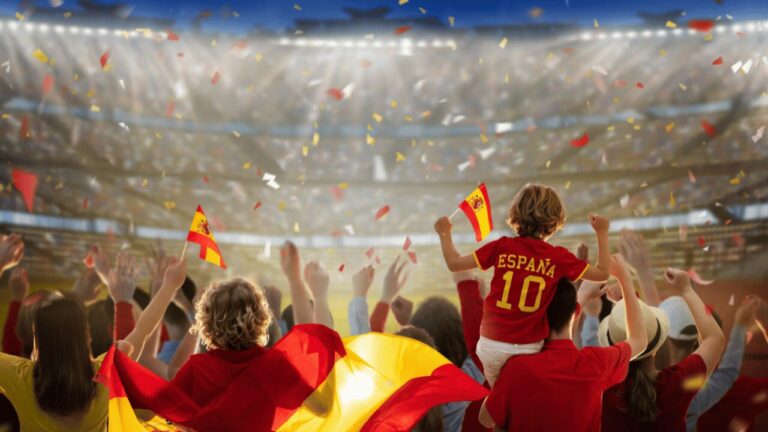
Spain’s diverse geography creates distinct regional sporting cultures that reflect local traditions and environmental advantages. Catalonia’s mountainous terrain makes it a natural hub for skiing and winter activities, while the Mediterranean coastline along Valencia attracts water sports enthusiasts who practice windsurfing, scuba diving, and surfing year-round. The Basque provinces maintain their cultural identity through jai alai, a traditional sport that requires exceptional skill and draws passionate local followings. Meanwhile, Asturias and Andalusia showcase Spain’s equestrian heritage through competitions and events that attract both participants and spectators from across the country. This regional specialization in sports in spain demonstrates how geography, climate, and cultural traditions combine to shape recreational preferences, creating a rich tapestry of athletic pursuits that strengthen community bonds and preserve local identities throughout the nation.
Bullfighting
Bullfighting continues to hold significant cultural importance across Spain, despite facing mounting international criticism. This traditional spectacle, deeply rooted in Spanish heritage for centuries, represents one of the most distinctive aspects of sports in spain. The official season spans March through October, with events typically scheduled for Sunday afternoons and major local celebrations. Madrid’s prestigious Las Ventas arena stands as the premier venue for this controversial art form, attracting both devoted enthusiasts and curious tourists. Regional variations exist throughout different Spanish provinces, each maintaining unique traditions and ceremonial elements that reflect local customs.
Olympic Sports
Spain established its National Olympic Committee in 1924, laying the foundation for decades of competitive excellence. The Barcelona Summer Olympics in 1992 marked a defining moment for sports in spain, as the host nation achieved its most successful performance with 13 gold medals across multiple disciplines. Juan Antonio Samaranch’s leadership of the International Olympic Committee from 1980 to 2001 further cemented Spain’s influential role in global Olympic governance and athletic development.
Football (Soccer)
British influence brought football to Spain during the late 1800s, fundamentally transforming the nation’s sporting culture. This strategic introduction created a foundation that would eventually overshadow traditional bullfighting by the mid-1900s. The systematic development of professional clubs like Real Madrid and FC Barcelona demonstrates how sports in spain evolved into a global powerhouse. Spain’s national team achievements provide compelling evidence of this transformation: UEFA European Championships in 1964, 2008, and 2012, plus the 2010 FIFA World Cup victory. These accomplishments reflect decades of tactical innovation and player development that established Spain as a dominant force in international competition.
Other Popular Sports
Basketball gained significant momentum following Spain’s silver medal achievement at the 1984 Olympics, establishing itself as a major sport. Tennis, motorcycle racing, cycling, and roller hockey maintain strong followings across the country. Cyclist Miguel Indurain achieved legendary status through his remarkable multiple Tour de France victories, becoming a celebrated national figure and inspiring countless athletes.
Media and Publishing
The Press
The United States operates one of the world’s most extensive newspaper networks, featuring approximately 1,300 daily publications across the nation. The New York Times stands as the most influential publication, setting national discourse alongside major outlets including The Washington Post, USA Today, and The Wall Street Journal. Regional powerhouses like The Los Angeles Times and Chicago Tribune maintain significant readership within their markets. Print circulation has declined substantially over the past two decades, with digital subscriptions now representing the primary growth sector for most major publications.
Television and Radio
Television broadcasting launched commercially in the United States during the 1940s, establishing the foundation for modern mass media. The industry structure features major networks including ABC, CBS, NBC, and Fox, operating alongside hundreds of cable channels and streaming platforms. Radio broadcasting maintains robust diversity through public stations, commercial networks, and independent operators. Private ownership dominates both television and radio markets, with public broadcasting serving specialized educational and cultural programming roles throughout local communities nationwide.
Pre-Roman Spain
Prehistory
Archaeological evidence from Atapuerca and related excavation sites confirms human occupation in Spain spanning over one million years. The fossil record reveals both Neanderthal populations and early Homo sapiens settlements, indicating continuous habitation patterns across multiple evolutionary periods. These findings establish Spain as a critical region for understanding European prehistoric development and migration routes.
Paleolithic Art
The cave paintings of northern Spain, particularly those found in Altamira, represent extraordinary artistic expression from approximately 25,000 to 10,000 BCE. These works feature sophisticated animal representations, geometric symbols, and abstract compositions that demonstrate advanced cognitive abilities. The technical skill and symbolic complexity suggest well-developed cultural traditions among Paleolithic communities.
Neolithic and Copper Age Societies
Agricultural practices and ceramic production arrived in Spain around 6000 BCE, transforming social structures and settlement patterns. Southern regions experienced significant population growth with the establishment of permanent villages. Los Millares exemplifies this period’s technological advancement, showing evidence of metallurgical expertise and hierarchical social organization that would influence later developments.
Bronze Age Spain
Bronze Age cultures emerged around 2000 BCE, characterized by fortified settlements and clear social stratification. Regional variations created distinct cultural zones across the peninsula, each developing unique traditions and technologies. This cultural diversity persisted for over a millennium until Phoenician traders established contact around 800 BCE, introducing Mediterranean influences that would reshape Iberian society.

John Coleman is a seasoned sports writer and analyst with over seven years of experience covering American and European sports. His expertise encompasses football, baseball, basketball, and MMA. Known for his insightful analysis and historical perspective, John crafts compelling narratives, in-depth match analyses, and offers unique behind-the-scenes perspectives that connect with both fans and athletes.